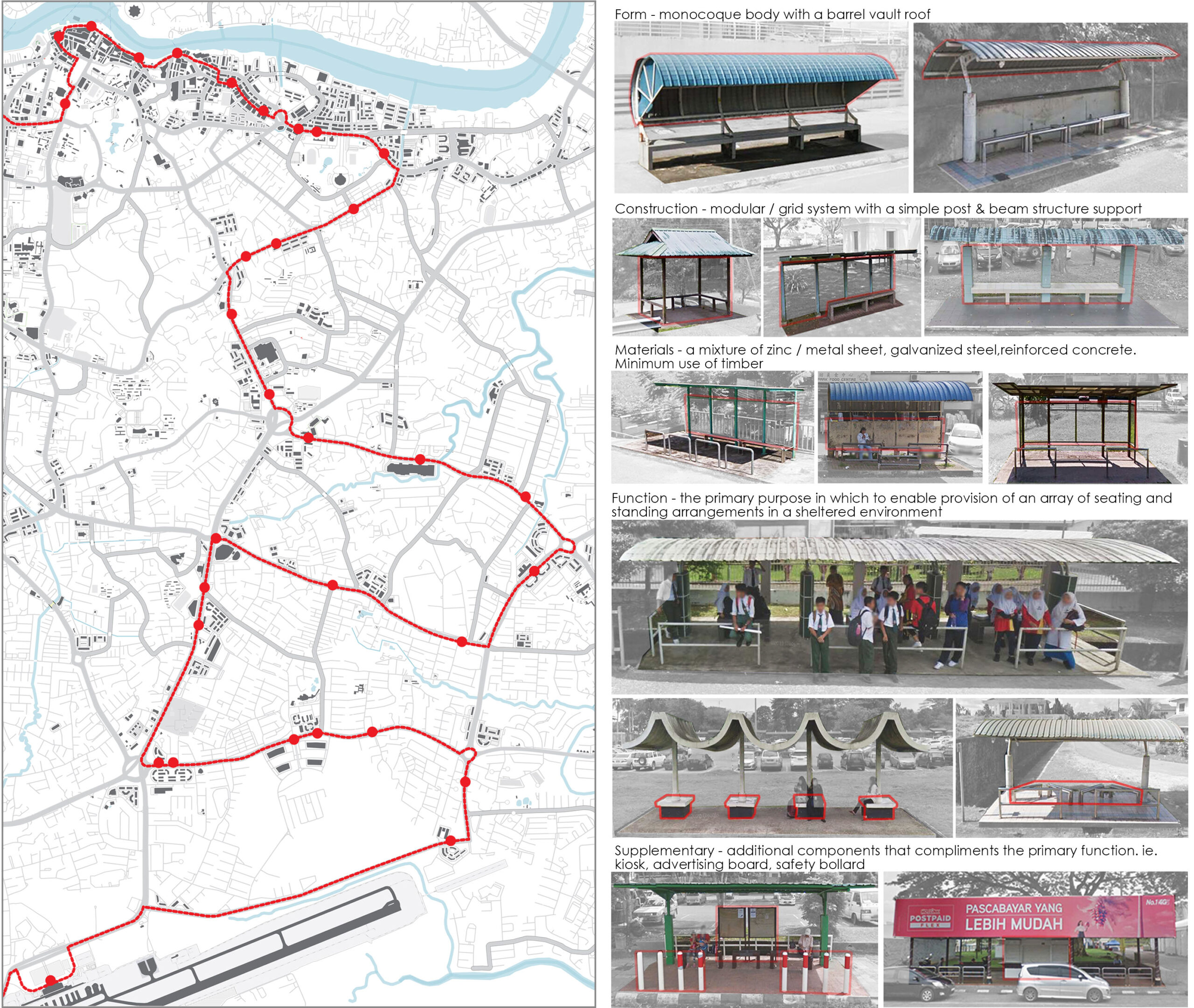
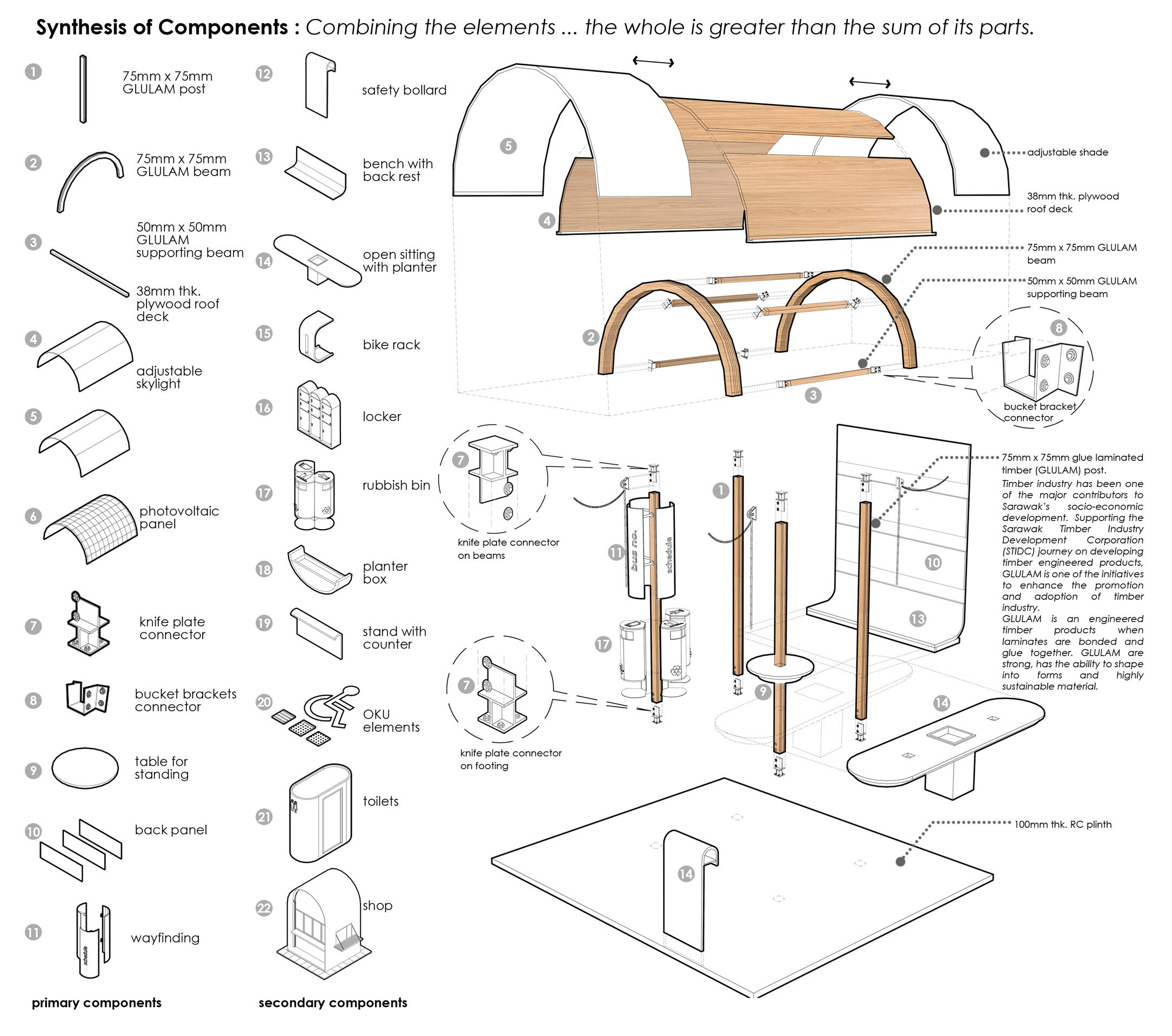
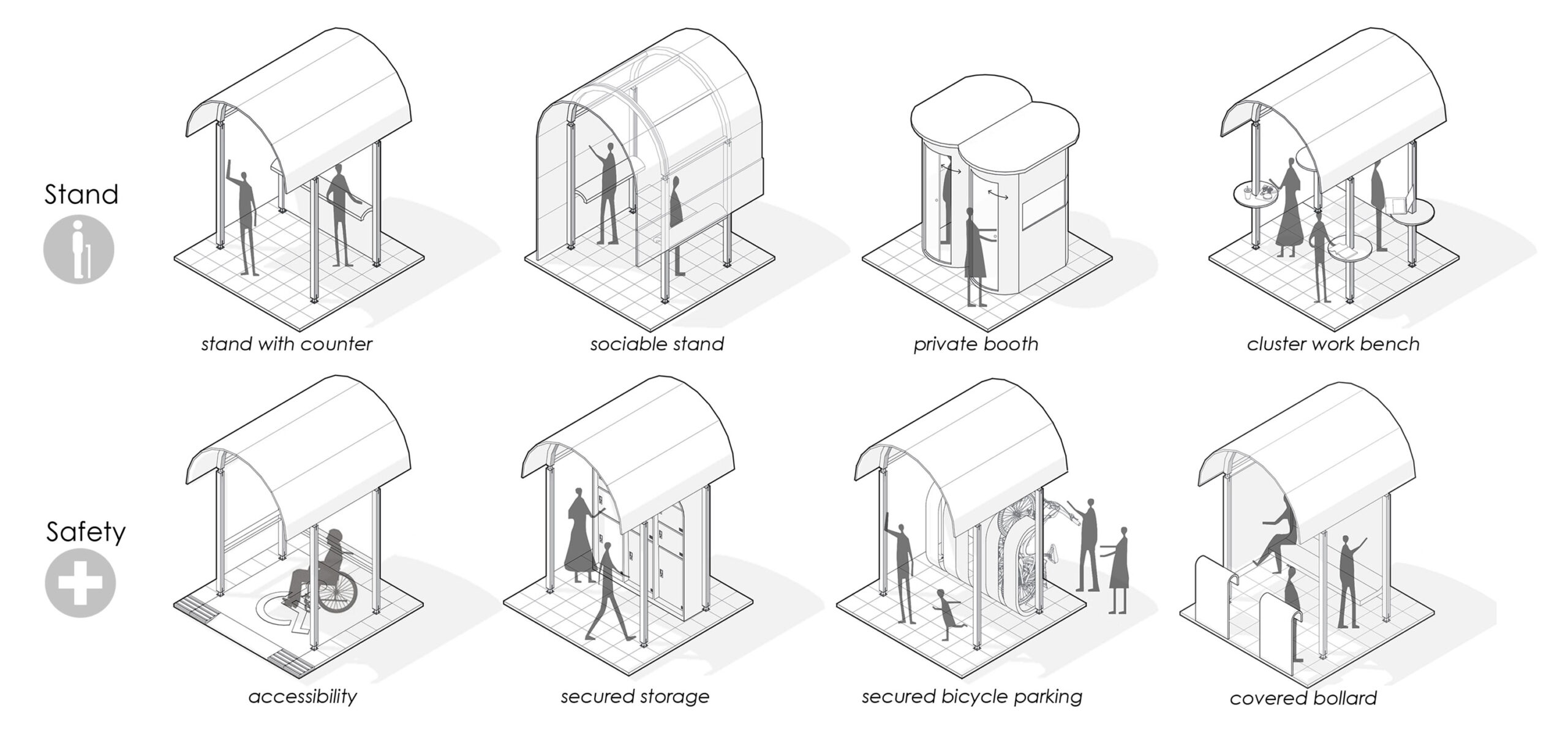
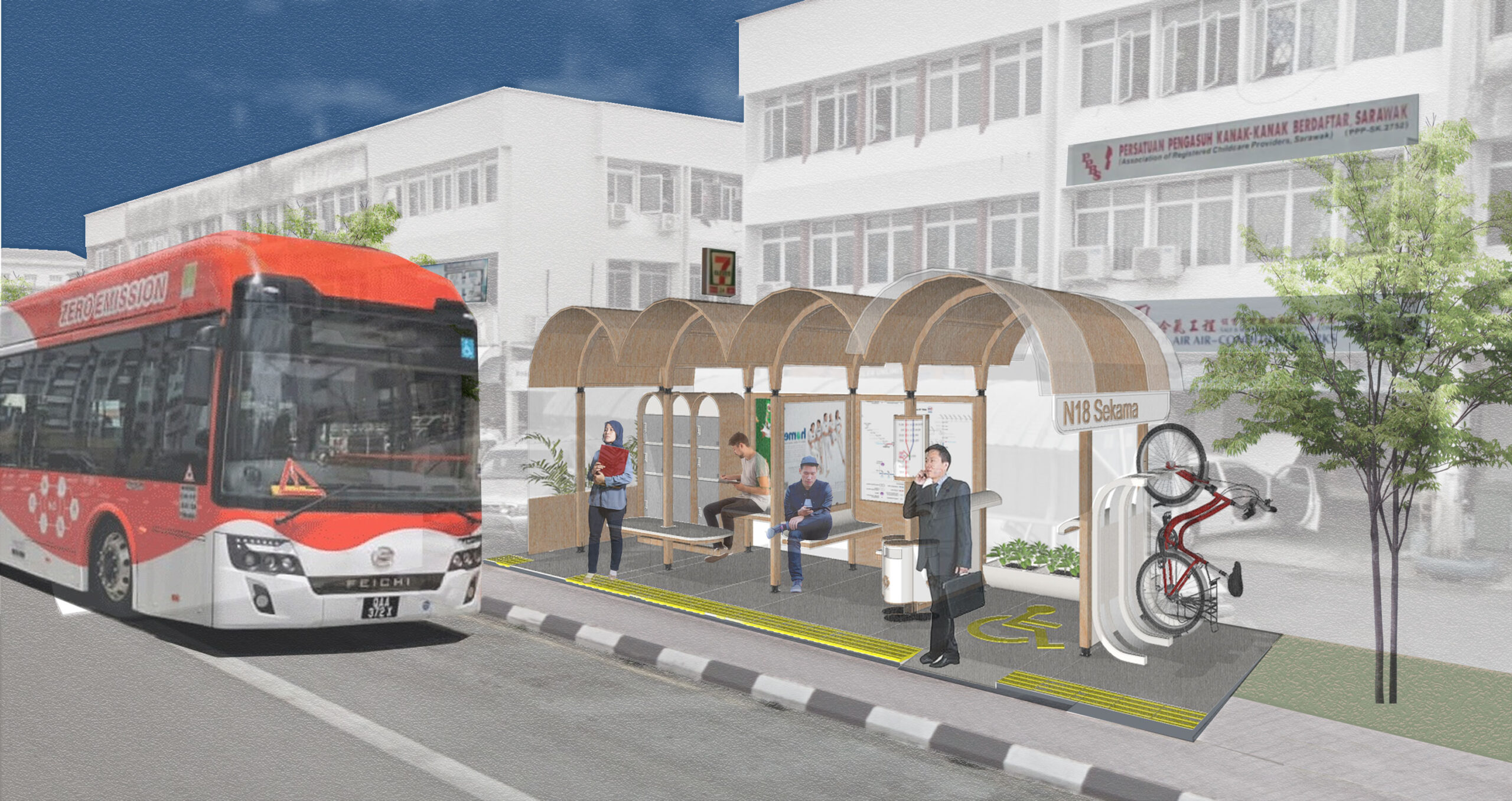
To start, we break down a complex residue in order to (re)discover elements, or components, or characters, and (re)attaining an element. In breaking down and (re)constructing these elements, we invariably find new ways to create and re-create.
Parts of an element of a larger whole. The elements become components of other new elements, transforming and altering their instances from one to another. The tactical and strategic orientation, addition, subtraction of the components; creates the new complexity of a programme.
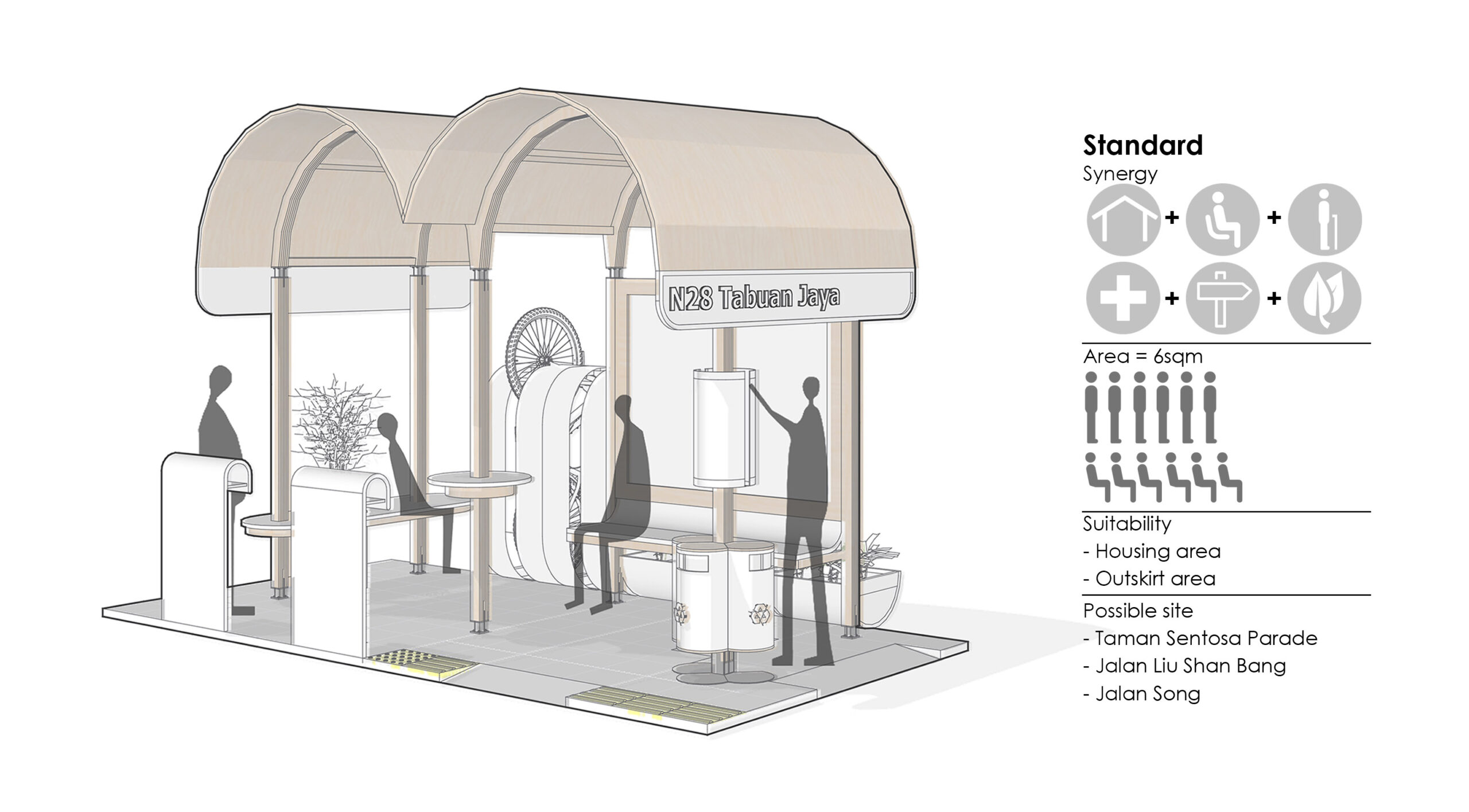
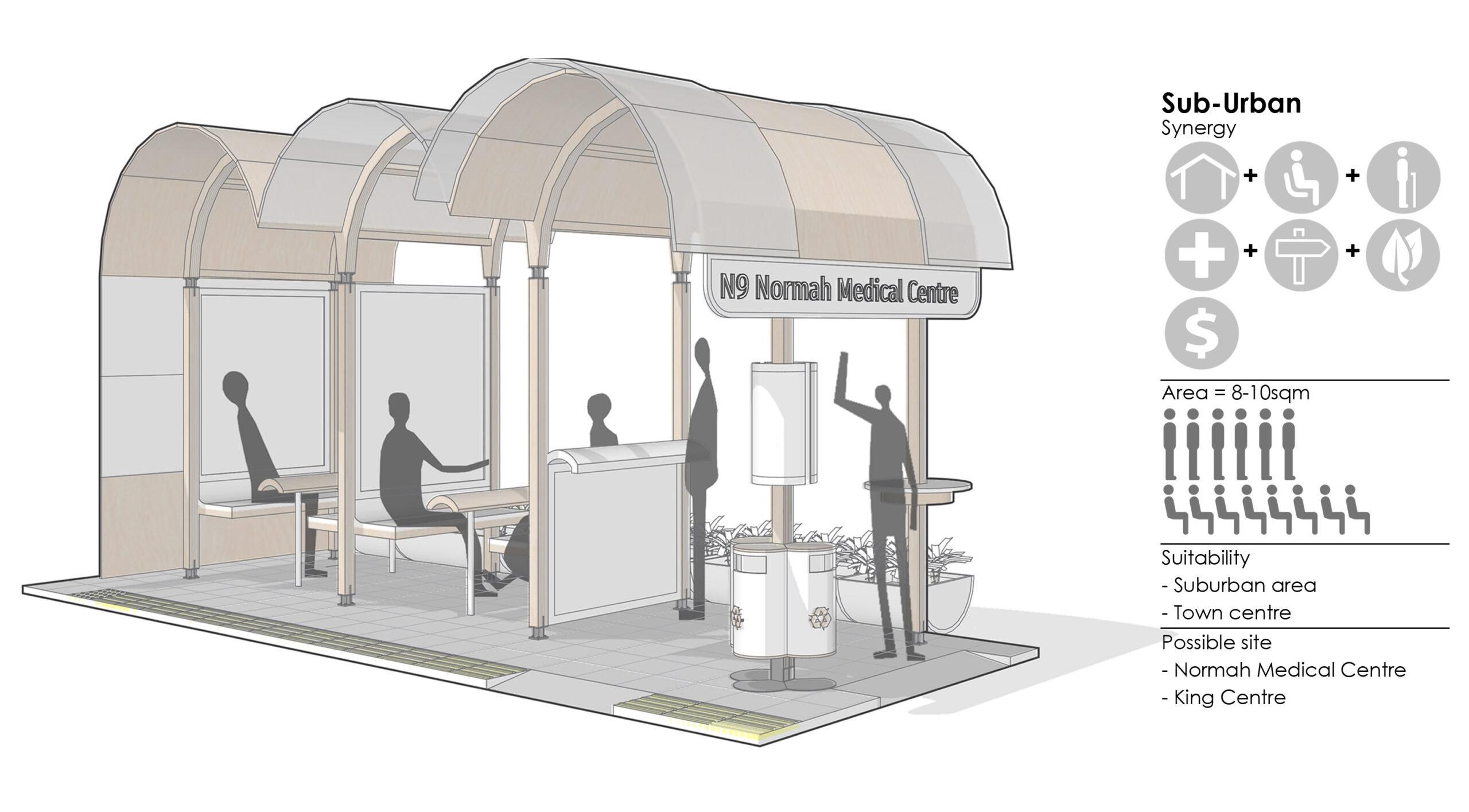
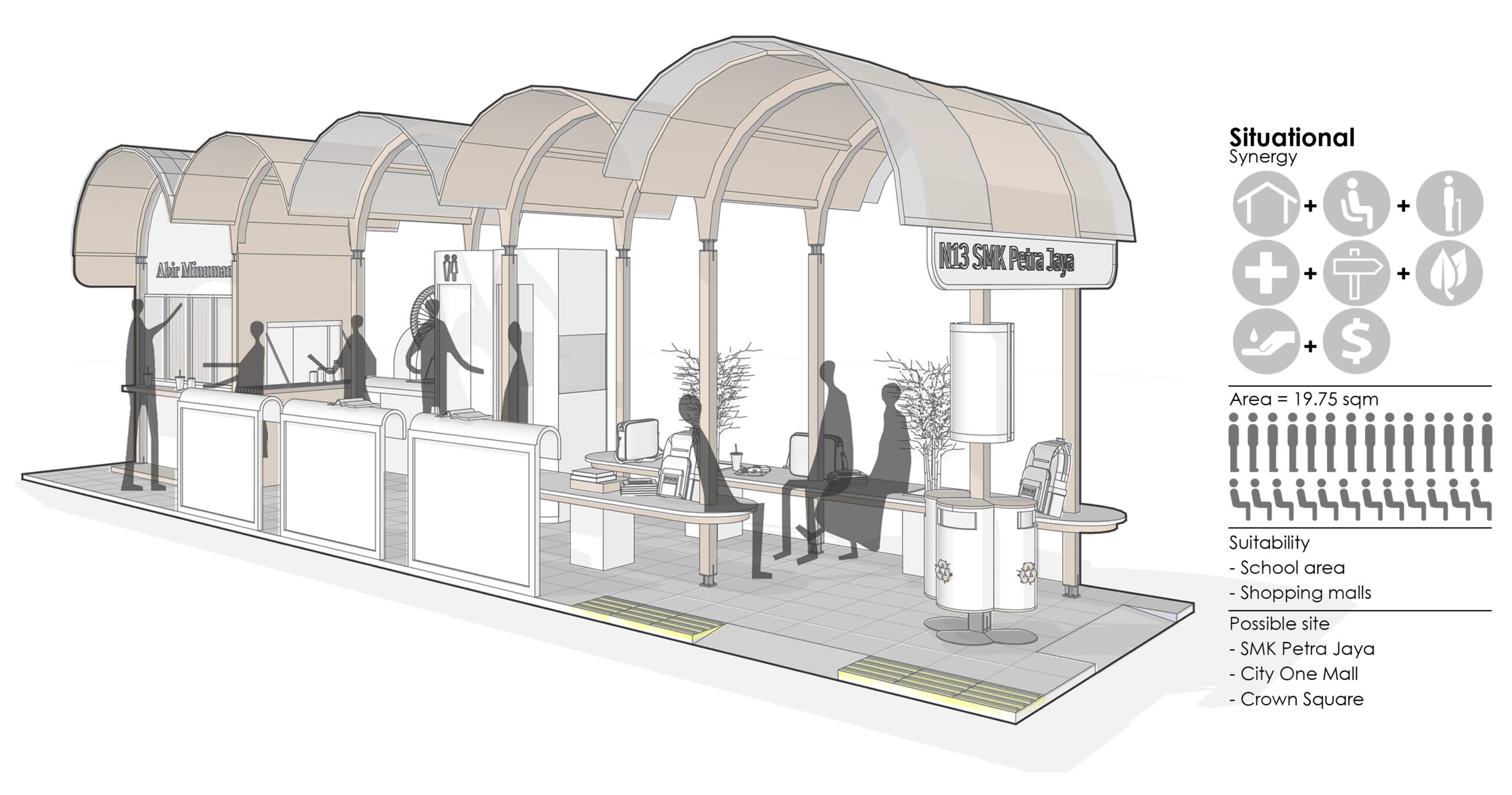
The complexity of an object is measure by the wealth and variety of the parts that make it up and by the different states it can take on. In essence, complexity arises from the (possible) combinations of the catalogue of components. And with the added possibility of customization of the components, this complexity then shapes the programme, and by extension, its form and function.
The act of modifying, diverting….of the standard production. The standardization of a component need not be set in stone. Eg. a 600mm high seating bench can be lowered down to 450mm high to allow for a child’s anthropology. The components’ standards and dimensions should be the basic guideline, but allows for flexibility to allow for the customization for any specific conditions
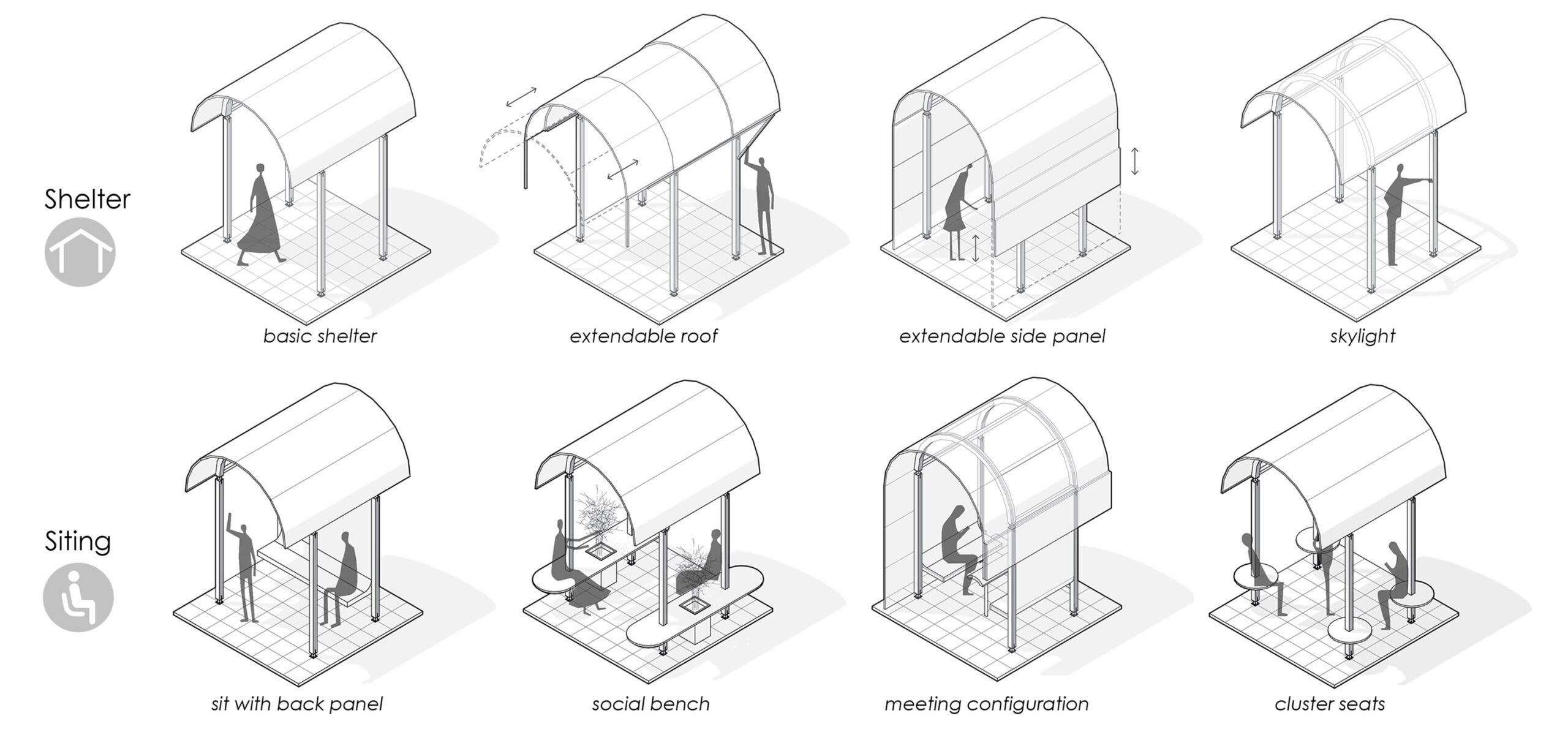
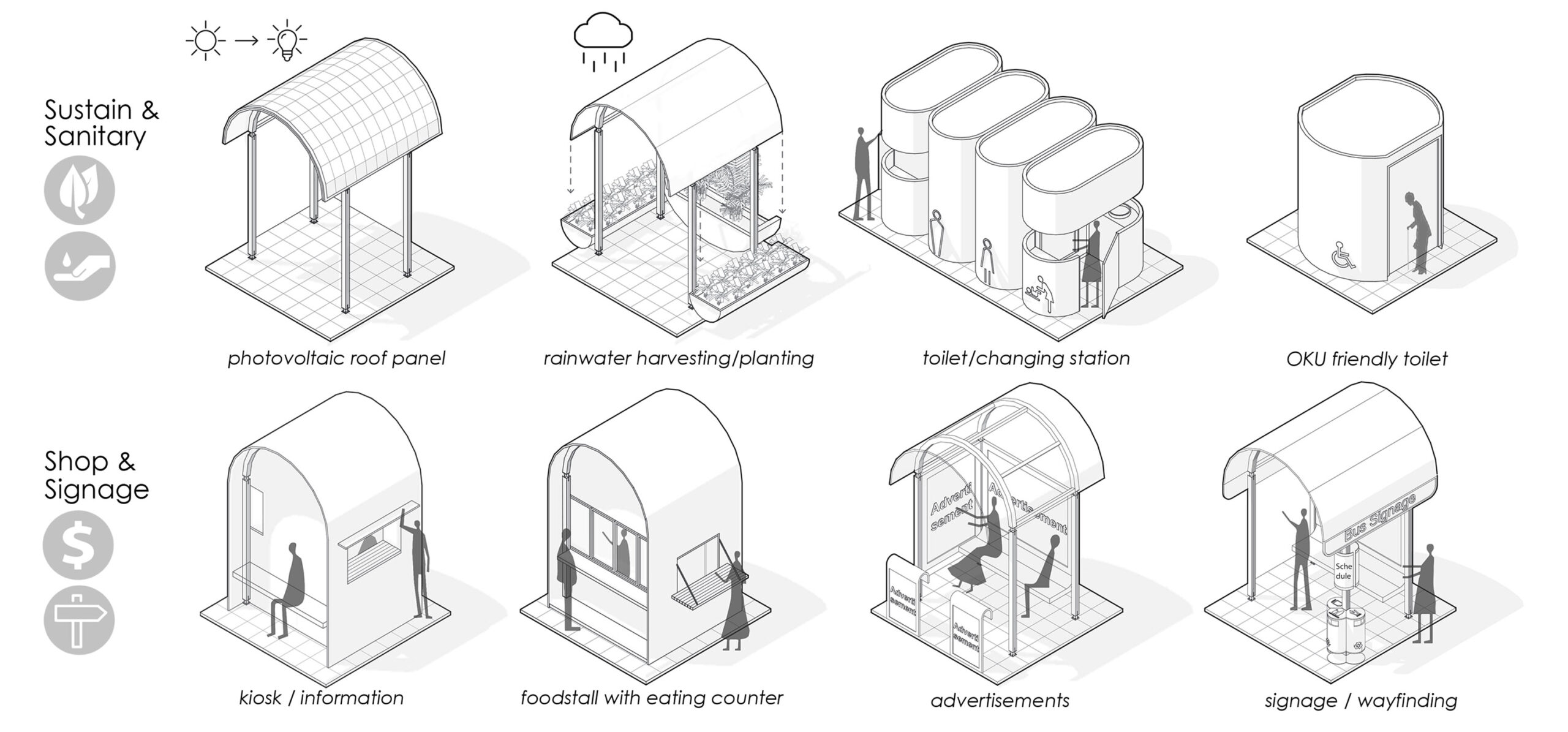
The idea of options, the (ex)changeable, the swappable, the IKEA paradigm. The catalogue of components proposed here allows for creation of customized combinations… that varies in complexity to suit specific scenarios, community and context. Eg. School areas, where ‘social bench’ component are used to allow for a (more) sociable condition and increased seating space, replacing the traditional seating which are (more) rigid in nature.
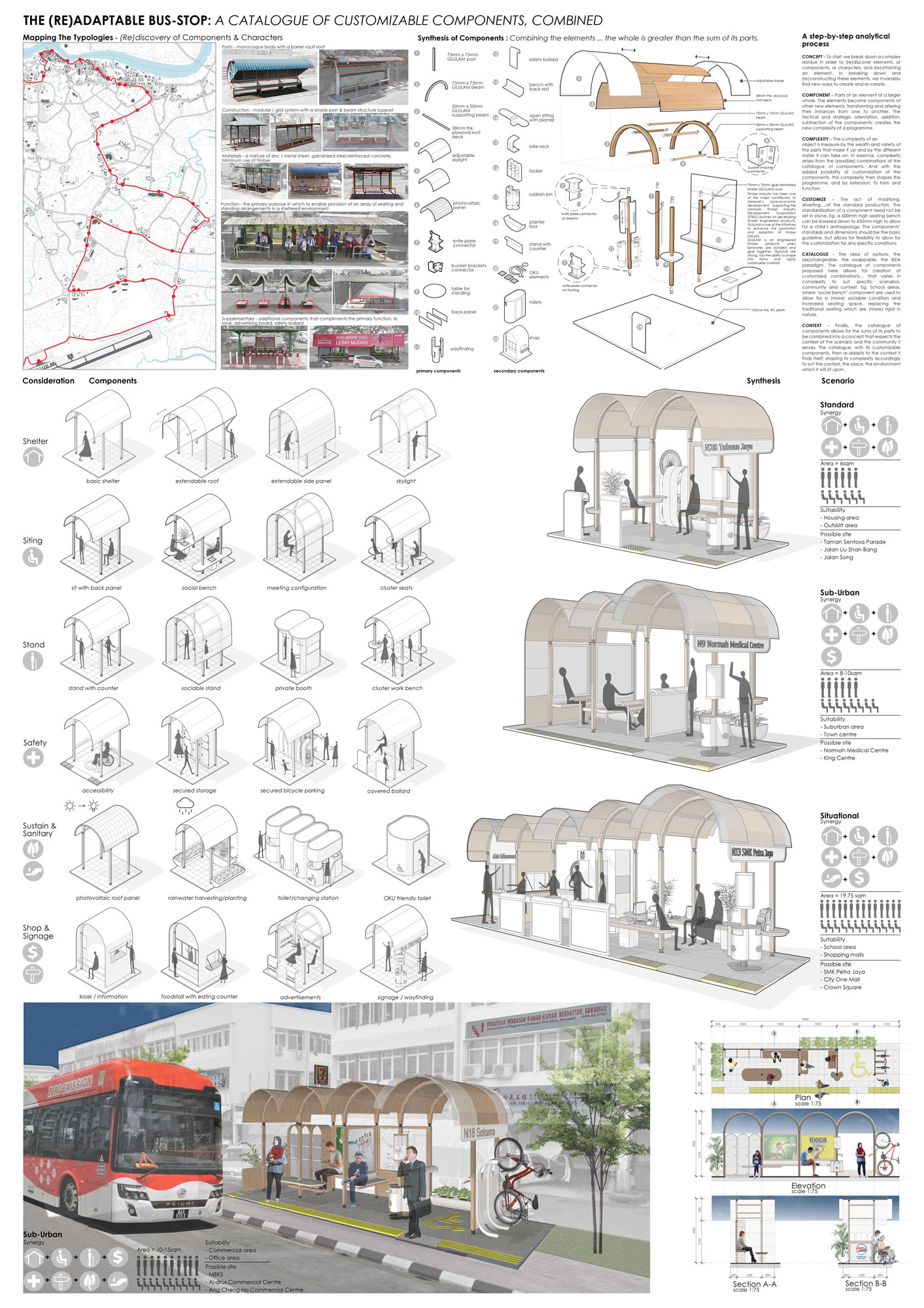
Finally, the catalogue of components allows for the sums of its parts to be combined into a concept that respects the context of the scenario and the community it serves. The catalogue, with its customizable components, then re-adapts to the context it finds itself, shaping its complexity accordingly to suit the context, the place, the environment which it will sit upon.